 Appetizers
 Dinner
 Breakfasts
 Breads
 Desserts
 Soups
Soups Salads
 Cookies
 Brunch
 Drinks
 Side Dishes
 Lunch
Lunch Air Fryer
 Video Recipes
 High Protein
 Recipes by Our Community
 30 Day Weight Loss Plan
 Anti-Inflammatory
 Athletic Performance
 Brain Health
 Diabetic-Friendly
 Gut Health
 Heart Healthy
 High Protein
 Keto
Keto Low Carb
 Metabolism Boost
 Muscle Gain
 Weight Loss
 Health Conditions
 Arthritis
 Cancer
 Fatigue & Low Energy
 Fatty Liver
 High Blood Pressure
 High Cholesterol
 Immunity Support
 Oral Health
 Prostate Health
 Respiratory Wellness
 Sleep Support
 Spanish Recipes
 Chinese Recipes
 Italian Recipes
 Latin American Recipes
 Korean Recipes
 Japanese Recipes
 Mexican Recipes
 French Recipes
 Indian Recipes
 Thai Recipes
 Adult Wellness Meal Plan
 College Student Meal Plan
 Dairy-Free Meal Plan
 Flexitarian Meal Plan
 Frugal Family Meal Plan
 Gluten-Free Meal Plan
 Healthy Aging Meal Plan
 Kids Meal Plan
 Mediterranean Meal Plan
 Men Over 50 Meal Plan
 Paleo Meal Plan
 Plant-Based Meal Plan
 Teen Athlete Meal Plan
 Whole30 Meal Plan
 Women Over 50 Meal Plan
 Apple Recipes
 Avocado Recipes
 Banana Recipes
 Beef Recipes
 Blueberry Recipes
 Broccoli Recipes
 Cabbage Recipes
 Carrot Recipes
 Cauliflower Recipes
 Cheese Recipes
 Chicken Recipes
 Chickpea Recipes
 Cucumber Recipes
 Egg Recipes
 Garlic Recipes
 Ground Beef Recipes
 Ground Turkey Recipes
 Kale Recipes
 Lemon Recipes
 Lentil Recipes
 Mushroom Recipes
 Oatmeal Recipes
 Onion Recipes
 Pasta Recipes
 Peanut Butter Recipes
 Potato Recipes
 Pumpkin Recipes
 Quinoa Recipes
 Rice Recipes
 Spinach Recipes
 Sweet Potato Recipes
 Tomato Recipes
 Tuna Recipes
 Yogurt Recipes
 Zucchini Recipes
Imagine slicing into a loaf of bread so pillowy and tender that it practically melts on your tongue. This is Japanese milk bread, also known as Hokkaido bread, a beloved staple in Japanese bakeries and homes. Its secret lies in a simple technique called ‘tangzhong’—a cooked flour-and-water paste that locks in moisture, creating an incredibly soft, cloud-like crumb that stays fresh for days. Unlike Western breads, which can become dry or dense, this bread boasts a delicate sweetness and a rich, milky flavor from the use of whole milk and butter. The texture is almost like brioche, but lighter and less greasy, making it perfect for sandwiches, toast, or simply tearing apart warm from the oven. This recipe is designed for home bakers of all levels. The tangzhong method might sound fancy, but it’s incredibly easy and guarantees foolproof results every time. You’ll be rewarded with a loaf that’s golden-brown on the outside, impossibly soft on the inside, and has a subtle, comforting sweetness. Whether you’re a seasoned baker or a curious beginner, this bread will transform your kitchen into a cozy Japanese bakery. The process is meditative: mixing the silky dough, watching it rise, and finally, the heavenly aroma filling your home. So, roll up your sleeves, and let’s create the softest, most satisfying loaf you’ll ever bake. Your family will thank you, and you’ll never go back to store-bought bread again. Enjoy the journey and the delicious reward!
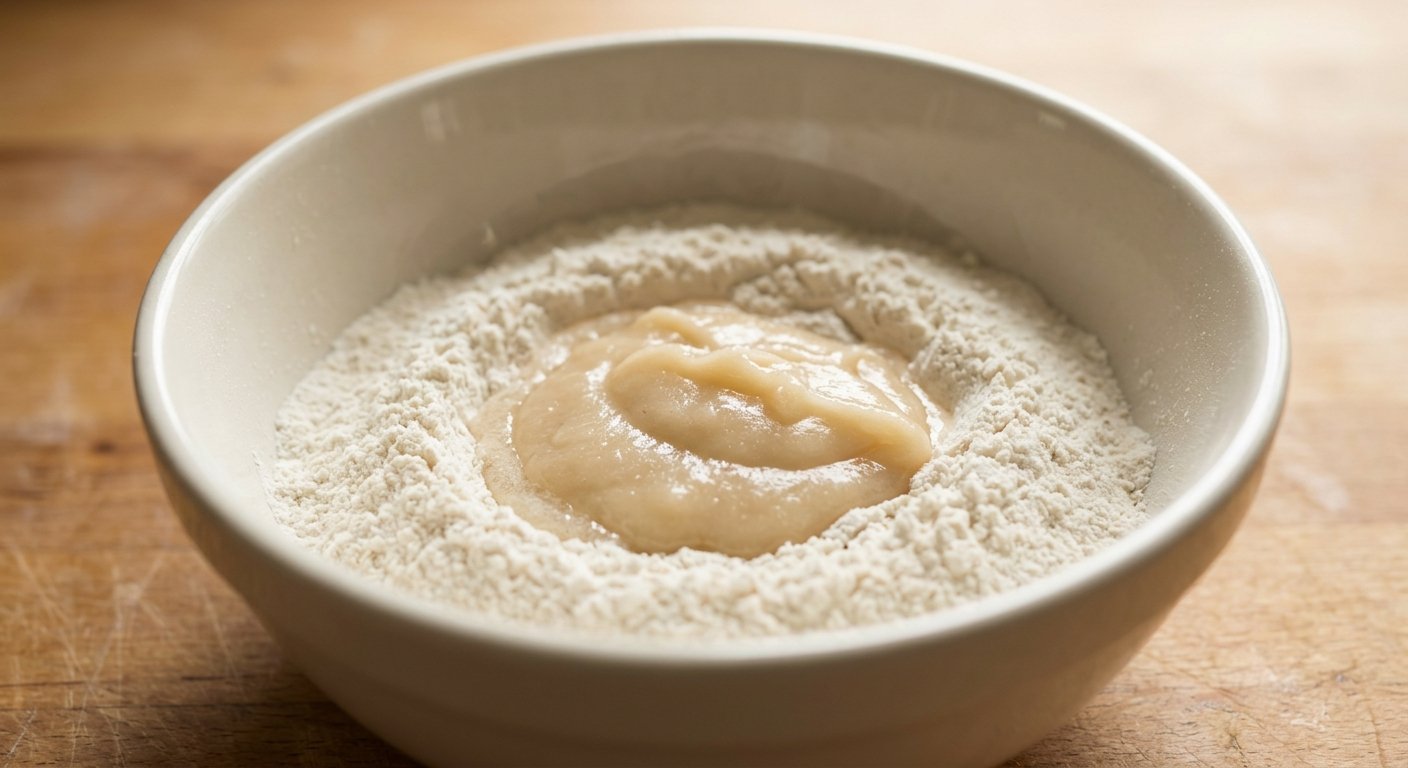
Fluffy Japanese Milk Bread (Hokkaido Bread): The Softest Loaf You’ll Ever Bake
- 3 cupsBread Flour
- 1 cupWhole Milk
- 3 tbspUnsalted Butter
- 3 tbspGranulated Sugar
- 2 tspActive Dry Yeast
- 1 tspSalt
- 1 largeEgg
- Tangzhong (see below)
- 1/4 cupWater
- 2 tbspBread Flour
- Prepare the Tangzhong
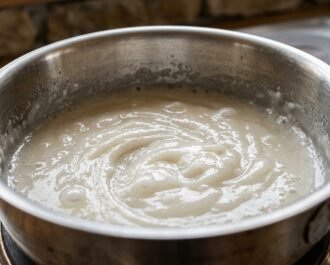
In a small saucepan, whisk together 2 tablespoons of bread flour and 1/4 cup of water until smooth with no lumps. Place over medium-low heat and cook, stirring constantly with a spatula, for about 2 to 3 minutes. The mixture will thicken into a smooth, glue-like paste. You'll know it's ready when it reaches a temperature of 149°F (65°C) or when lines appear as you stir. Remove from heat and transfer the tangzhong to a small bowl to cool completely. This paste is the key to the bread's incredible softness and longevity.
- Activate the Yeast
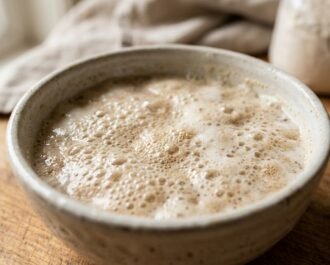
In a small bowl, warm 1/4 cup of the whole milk to about 110°F (43°C)—it should feel comfortably warm to the touch, not hot. Sprinkle the active dry yeast and a pinch of the granulated sugar over the milk. Let it sit undisturbed for 5 to 10 minutes until the mixture becomes frothy and bubbly. This step confirms your yeast is alive and active, ensuring a good rise. If it doesn't foam, your yeast may be old or the milk too hot; start over with fresh ingredients for best results.
- Mix the Dough
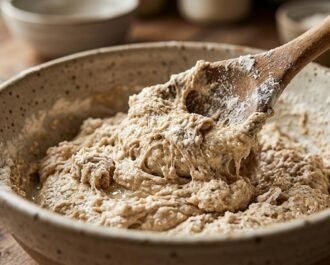
In the bowl of a stand mixer fitted with the dough hook, combine the bread flour, remaining sugar, and salt. Add the cooled tangzhong, the activated yeast mixture, the remaining milk, and the beaten egg. Mix on low speed until the ingredients come together into a shaggy dough, about 2 minutes. Scrape down the sides of the bowl as needed. The dough will look rough and sticky at this stage—don't worry, that's normal. The tangzhong adds extra moisture, which is what makes the final bread so soft.
- Knead the Dough
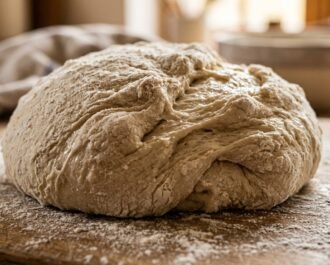
Increase the mixer speed to medium-low and knead for 8 to 10 minutes. The dough will become smoother and start pulling away from the sides of the bowl. It should be soft, supple, and slightly tacky but not overly sticky. If it's too wet, add a tablespoon of flour at a time. After 8 minutes, add the softened butter, one tablespoon at a time, mixing well after each addition. Continue kneading for another 5 to 7 minutes until the dough is silky, elastic, and passes the windowpane test—stretch a small piece thin enough to see light through without tearing.
- First Rise (Bulk Fermentation)
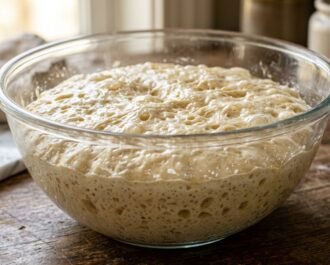
Shape the dough into a smooth ball by tucking the edges under. Place it in a lightly greased large bowl, turning once to coat the surface. Cover the bowl tightly with plastic wrap or a damp kitchen towel to prevent drying. Let it rise in a warm, draft-free place for 1 to 1.5 hours, or until doubled in size. The ideal temperature is around 80°F (27°C). You'll know it's ready when you gently poke the dough with a floured finger and the indentation remains, slowly springing back slightly.
- Shape the Loaf
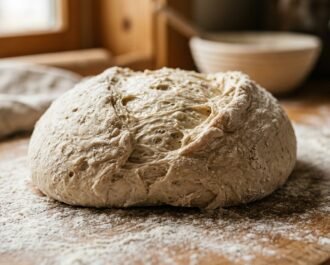
Punch down the risen dough gently to release the air. Transfer it to a lightly floured surface and divide it into 3 equal portions using a bench scraper. Shape each portion into a tight ball by pulling the edges toward the center and pinching to seal. Let the balls rest, covered, for 10 minutes to relax the gluten. Then, roll each ball into an oval, fold the long sides into the center like a letter, and roll it up into a neat cylinder. Place the three cylinders seam-side down in a greased 9x5-inch loaf pan.
- Second Rise (Proofing)
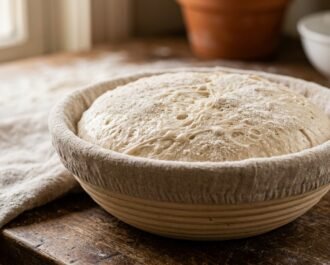
Cover the loaf pan loosely with plastic wrap or a clean kitchen towel. Let the dough rise in a warm place for 45 minutes to 1 hour, or until it has risen to about 80% of the pan's height—just below the rim. The dough should be puffy and soft to the touch. Meanwhile, preheat your oven to 350°F (175°C). For a glossy, golden crust, whisk an egg with a tablespoon of milk to make an egg wash. Gently brush it over the top of the risen loaf just before baking.
- Bake the Bread

Place the loaf pan on the middle rack of the preheated oven. Bake for 30 to 35 minutes, rotating the pan halfway through for even browning. The bread is done when the top is deep golden brown and the loaf sounds hollow when tapped on the bottom. If the top browns too quickly, tent loosely with aluminum foil for the last 10 minutes. An instant-read thermometer inserted into the center should read 190°F (88°C). Remove from the oven and let the bread cool in the pan for 10 minutes.
- Cool and Serve
Carefully turn the loaf out onto a wire rack to cool completely, at least 1 hour. This step is crucial—slicing too early will result in a gummy texture. As it cools, the crust will soften slightly, and the interior will set. Once cool, slice with a serrated knife to reveal the fluffy, tender crumb. Serve warm or at room temperature. This bread is divine toasted with butter, as a base for French toast, or simply enjoyed on its own. Store leftovers in an airtight container at room temperature for up to 3 days.
- Calories:180 kcal9%
- Protein:5 g10%
- Carbohydrates:30 g23%
- Sugar:8 g16%
- Salt:200 mg8%
- Energy:750 kJ9%
- Fat:4 g6%